I moved to the island to learn it properly.
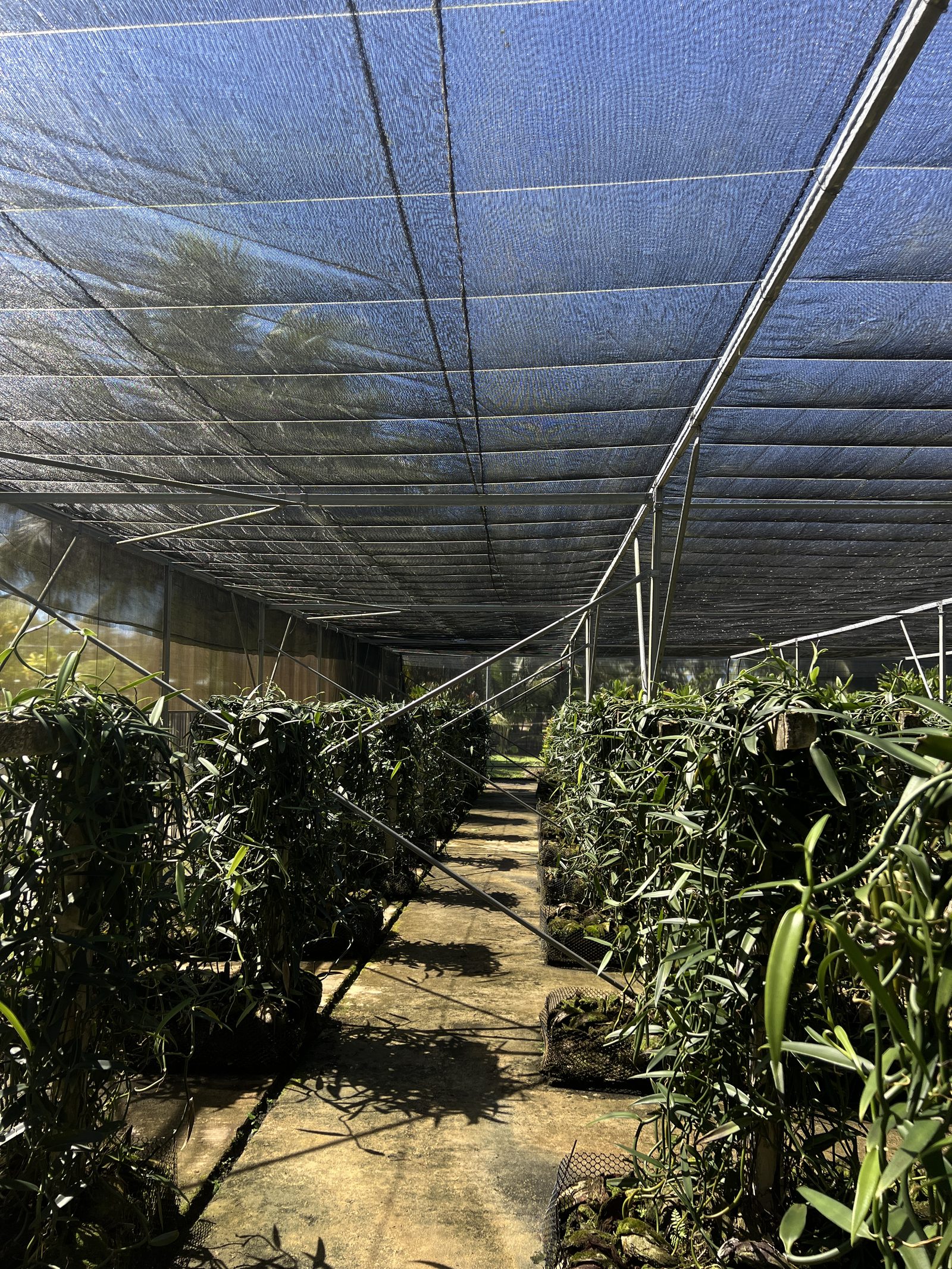
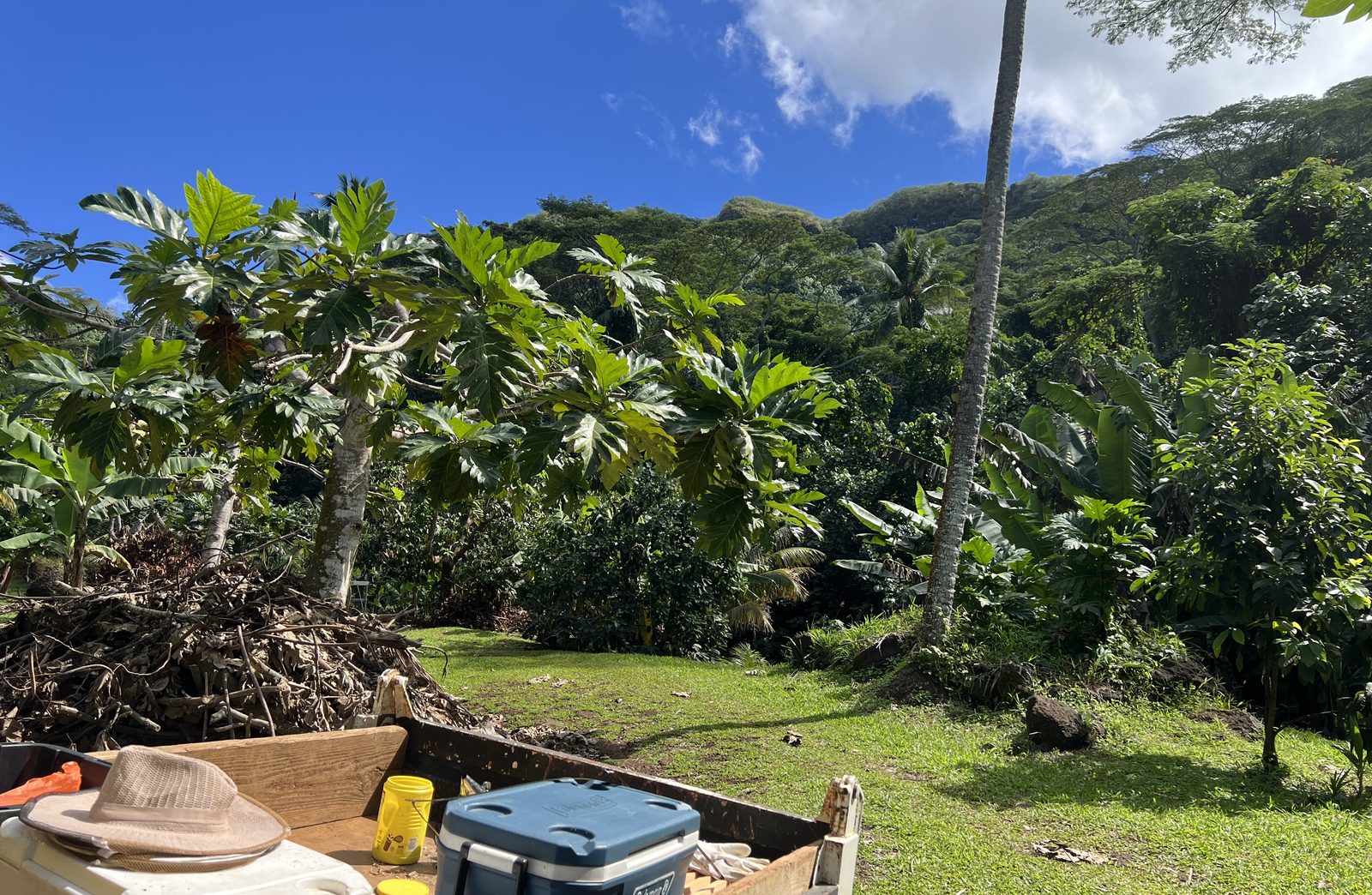
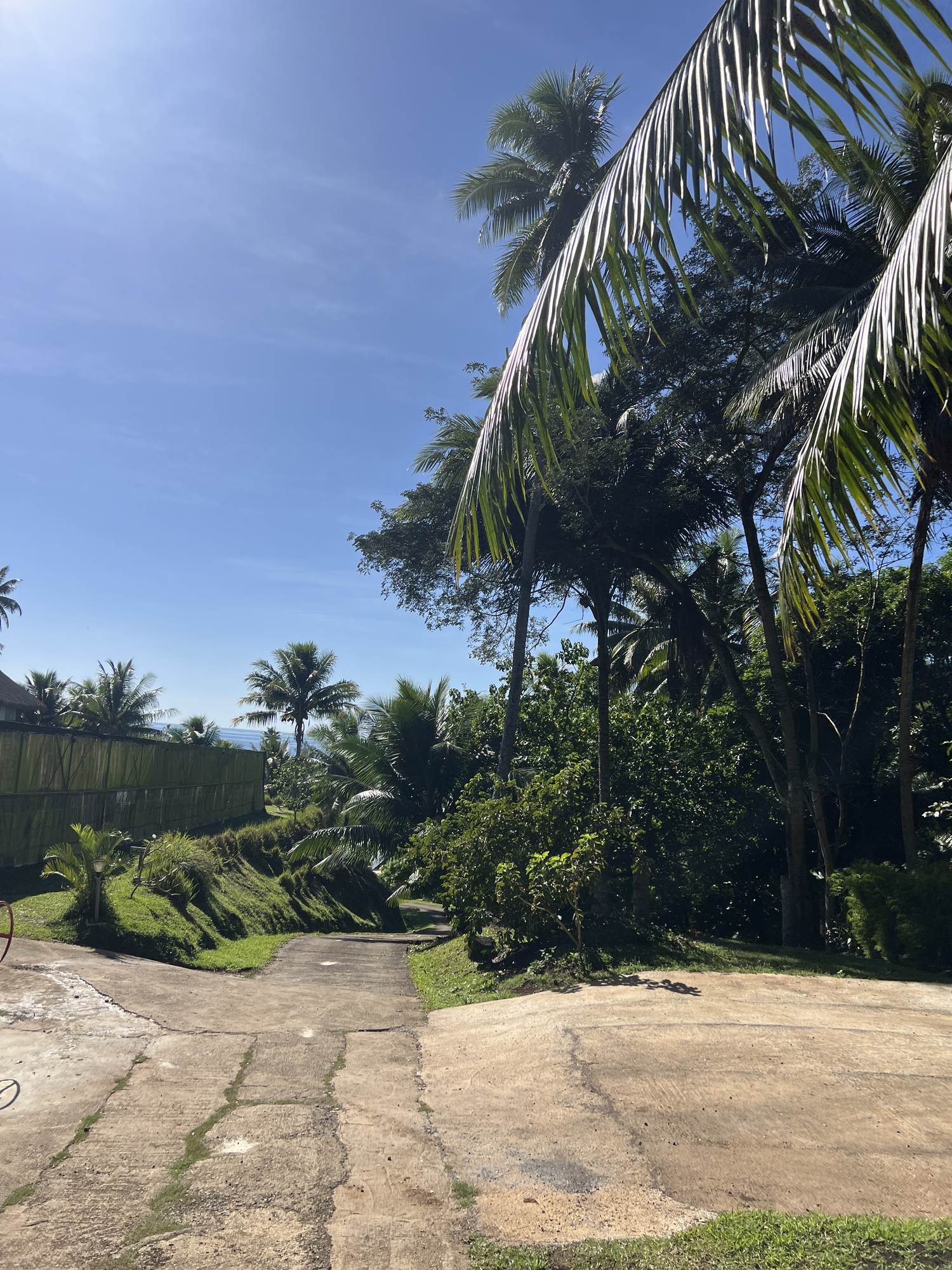
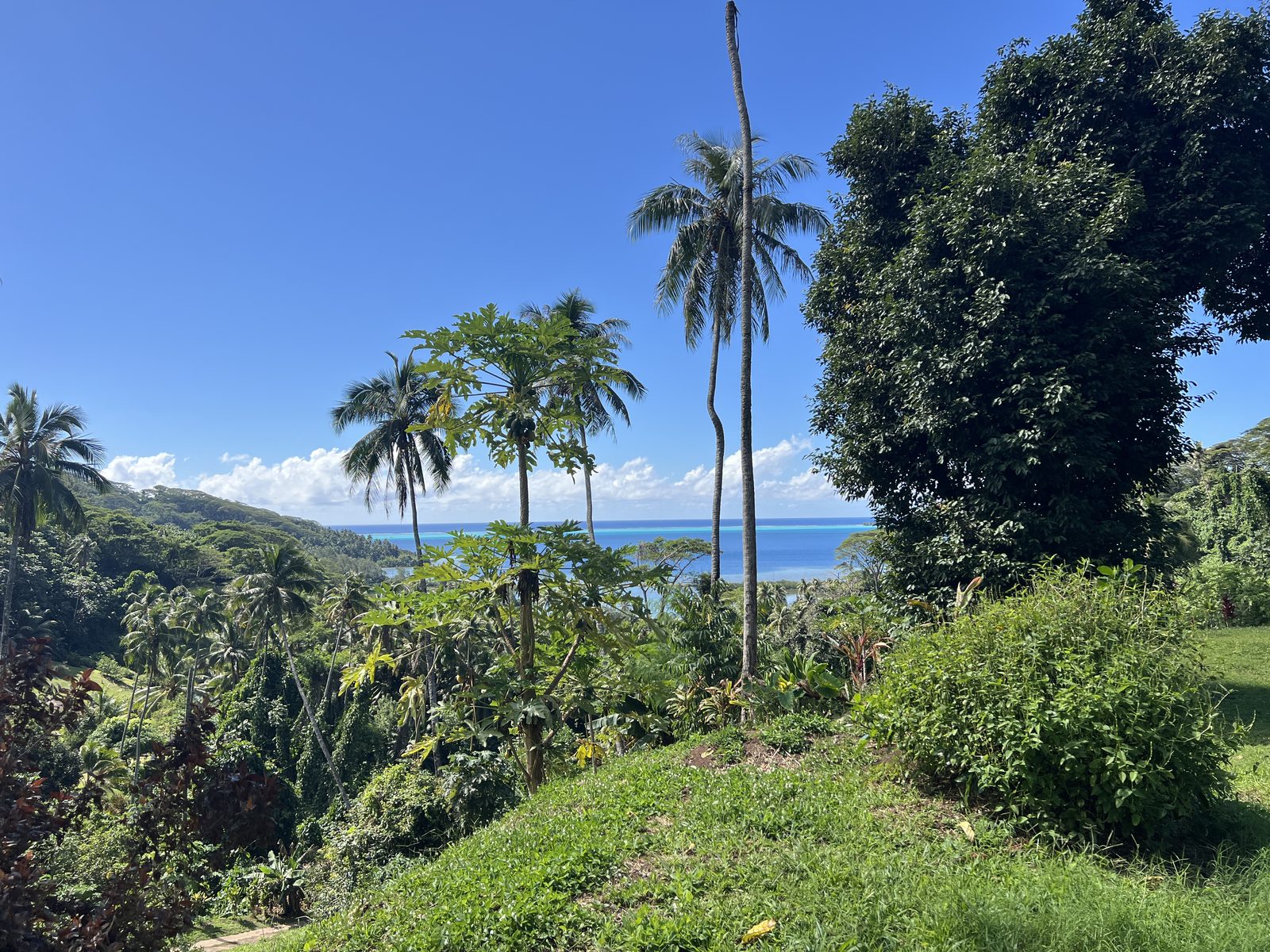
Taha’a is where my family grows vanilla, on a small estate between the hills and the lagoon. I came to live and work on the farm: up with the sun, in the shade house with the vines, learning the parts of this craft you cannot learn from a distance.
Vanilla asks a lot. The orchid opens for a single morning, and every flower is pollinated by hand in that window. The pods hang on the vine for the better part of a year. Then the cure begins: sun, rest and judgement, for as long as it takes before a single pod is ready.
Somewhere in all that it became obvious. Vanilla this good, from an island this singular, deserved to be tasted properly. Not blended into anonymity by a broker. Carried straight to the kitchens that would treasure it.
This did not start with us. It started long before.
Long before Manea’s Vanilla had a name, this family was already growing vanilla on Taha’a, on the same stretch of hillside between the lagoon and the hills. The knowledge was never written down. It was passed on the way it always is on the island: hand to hand, one generation showing the next exactly when a flower is ready to pollinate, exactly what a pod smells like when it has cured long enough.
That inheritance is the actual reason the vanilla tastes the way it does. Nothing about the process has been shortened or modernised away because nothing needed to be. The same hand-pollination, the same patient sun cure, done today the way it was done by the generation before, and the one before that.
Rarity, on Taha’a, is not a marketing word. It is a simple fact of how little of this actually exists, grown this way, by people who have spent their whole lives learning to do it properly.